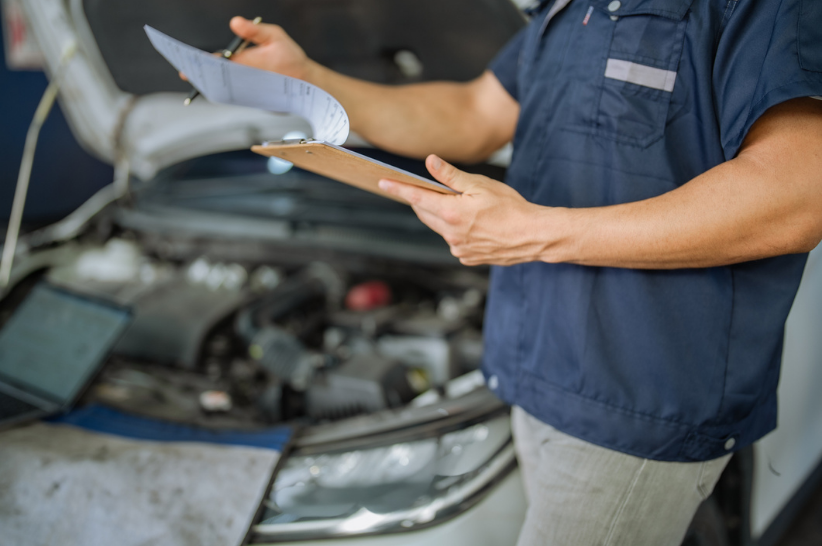
A vehicle condition report (CR) is an unbiased, third-party assessment that outlines certain key components of a vehicle’s condition, including areas such as the exterior, interior and some mechanical components of a wholesale vehicle. If you’ve ever asked, “What is a vehicle condition report?” The answer is simple: it’s an inspection prepared by experienced auto inspectors that gives independent dealers a detailed snapshot of the current state of the vehicle before placing a bid. A vehicle condition report helps independent auto dealers identify potential issues, estimate reconditioning costs helping ensure that the vehicle will be a profitable investment.
For dealers buying wholesale inventory, especially through online dealer auctions, understanding a vehicle condition report is one of the smartest ways to make informed buying decisions. Vehicle condition reports help you to estimate reconditioning costs and protect your hard-earned profit margins.
Your Top Questions About Vehicle Condition Reports, Answered
When you’re evaluating a potential auction purchase, navigating the paperwork can feel overwhelming. To help you bid with confidence, we’ve answered the most common questions independent dealers ask about vehicle condition reports (CRs), and how to use them to make smarter purchasing decisions.
What Is a Vehicle Condition Report?
A vehicle condition report is an evaluation that documents aspects of a vehicle’s current condition. Auctions, consignors and dealers use vehicle condition reports to create transparency before a sale. By providing a consistent assessment of a vehicle’s condition, value and potential risk, a vehicle condition report helps buyers and sellers make informed decisions with greater confidence.
What should be included in a condition report?
While layouts vary depending on the auction platform or the specific inspection provider, a comprehensive vehicle condition report should always include major aspects of a vehicle’s condition:
- Vehicle Identity: The vehicle identification number (VIN), make, model, trim and current odometer mileage.
- Exterior Condition: Notes on paint condition, body panels and visible damage like dents, scratches, hail damage or rust.
- Interior Condition: Upholstery condition (rips, stains or burn marks) and the functionality of the electrical features like radio, dash lights and battery.
- Mechanical Integrity: An assessment of major operational components, including the engine, transmission, and brakes.
- Tires and Wheels: Tire tread depth, and tire type.
- Disclosures & Photos: High-resolution images and notifications on warning lights, open recalls and accessories.
How Can I Use a Vehicle Condition Report as a Vehicle Health Assessment?
Start with the VIN and disclosures included in the vehicle condition report. When available, use that information to access Original Equipment Manufacturer telematics or dealer-grade diagnostics. Then compare those findings with an OBD2 scan, battery test, fluid inspection and the inspector’s photos to help identify hidden auction car repairs before placing a bid. This process transforms a vehicle condition report into a practical vehicle health assessment that helps you buy with greater confidence.
How can I use a condition report to protect my bottom line?
1. Calculate Recondition Costs Early
By identifying damage and mechanical issues before bidding, you can estimate repair costs upfront. If a vehicle requires $1,500 in repairs and your target profit margin is $2,000, you know when to stop bidding.
2. Cross-Reference with a Vehicle History Report
Use the VIN listed on the vehicle condition report to pull an overall vehicle history report. This helps you verify odometer accuracy and confirm whether previous accidents match the physical damage noted by the inspector.
3. Spot Red Flags
Watch for signs such as mismatched paint, inconsistent panel gaps or structural damage notes. These can indicate prior frame damage, lowering resale value and making financing more difficult for future buyers.
Inventory Expansion Requires More Than More Vehicles
Inventory expansion can be an effective way to grow your dealership, but success depends on having the right strategy in place.
By avoiding common mistakes such as expanding too quickly, limiting financing flexibility, ignoring turn time, overlooking acquisition channels and relying on a single inventory source, independent dealers can create a stronger foundation for growth.
The most successful dealerships view inventory expansion as part of a bigger plan. This plan balances growth with efficient daily operations, good cash flow and long-term profits.
Show Your Bottom Line Some Love with AFC
Understanding a vehicle condition report gives you the confidence to source wholesale inventory from anywhere. More importantly, it helps you estimate reconditioning costs, and make smarter buying decisions. When you’re ready to turn those insights into greater profitability, AFC is here with financing that moves as fast as your business.
“AFC” refers to Automotive Finance Corporation, Automotive Finance Canada Inc., and AFC Cal, LLC in their respective jurisdictions.
© 2026 Automotive Finance Corporation. All rights reserved.


